Skip to content
The OAM Project

Learn · Discuss · Support

Menstrual health, without stigma

A useful starting point for girls, families, educators, and anyone joining the conversation. Knowledge belongs alongside products, privacy, and respect.

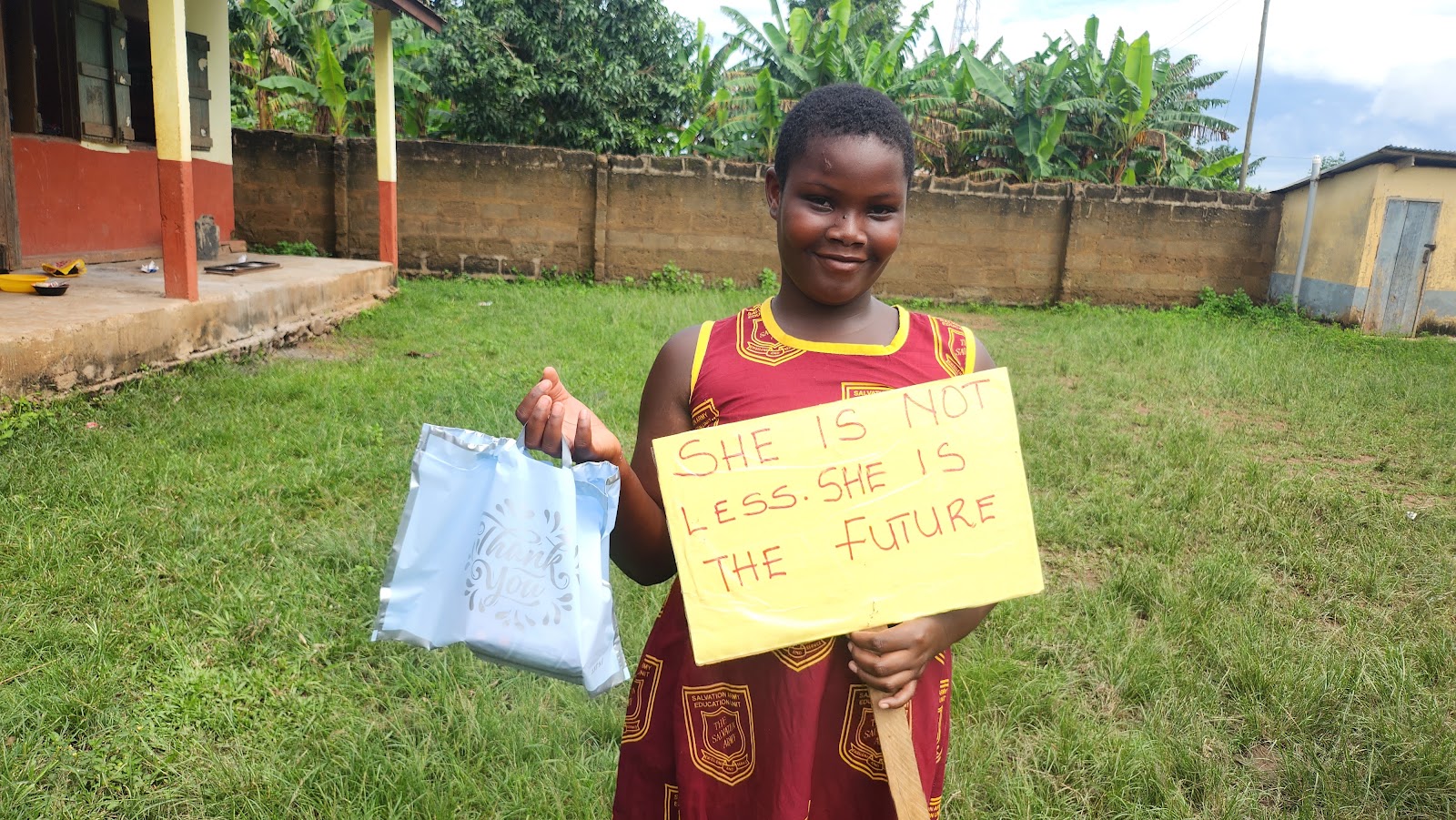
Student holding a bag and a handwritten sign reading She is not less, she is the future
“She is not less. She is the future.” June 2026

Understanding menstruation

Menstruation is the shedding of the lining of the uterus through the vagina. It is a normal part of many people's lives, not something dirty or shameful. Cycles and experiences vary, and not everyone menstruates.

Tracking the dates of a period and noticing changes can help someone describe their experience to a healthcare professional. There is no single experience that everyone must match.

If pain, bleeding, or a change worries you or disrupts everyday life, speak with a qualified healthcare professional. These resources are general education, not a diagnosis or individualized medical advice.

Products, water, and privacy

Menstrual hygiene products can include disposable pads, reusable pads, tampons, or cups. The right choice depends on personal comfort, availability, and access to clean water and safe facilities. No one should be pressured to use a particular product.

Follow the product's instructions for use, changing, cleaning, and storage. Wash hands before and after handling products. Dispose of used disposable products in an appropriate bin rather than flushing them.

Access means more than having a product. A private place to change, water, suitable disposal, and permission to use the washroom are part of dignified support.

Make space for questions

Use plain language and let people ask questions without teasing or embarrassment. Never require someone to share personal details or demonstrate a product in front of others.

Schools and families can offer a trusted adult, discreet access to supplies, and a way to ask for help privately. Listen to what girls say they need instead of assuming for them.

Boys, men, and allies belong in the conversation

Allies can learn accurate information, challenge jokes and stigma, respect privacy, and support access to products and washrooms. Menstruation should not exclude anyone from school, work, or community life.

Ask how you can help. Offer practical support without making someone explain or defend their period. Shared responsibility creates a more respectful environment for everyone.

Find guidance for your school or community →

A school can start here

Example guidance for schools, adapted from an idea Kate shared for Michigan schools. It is a starting point, not a program OAM has already run or a school has approved.

  1. 1

    Make support visible

    Name a school nurse, counselor, or trusted adult students can approach privately, and let students know who they are.

  2. 2

    Offer products discreetly

    Keep menstrual hygiene products in appropriate places students can reach without having to ask in front of others.

  3. 3

    Talk at the right level

    Hold age-appropriate conversations in plain language, with room for questions and no teasing.

  4. 4

    Bring allies in

    Include boys and other students so empathy, not embarrassment, shapes how classmates respond.

  5. 5

    Protect privacy

    Never require students to share personal details. Any product drive happens only with the school's permission.

Keep learning

For further reading, visit UNICEF's menstrual health and hygiene resources. For personal health questions, consult a qualified local healthcare professional.